
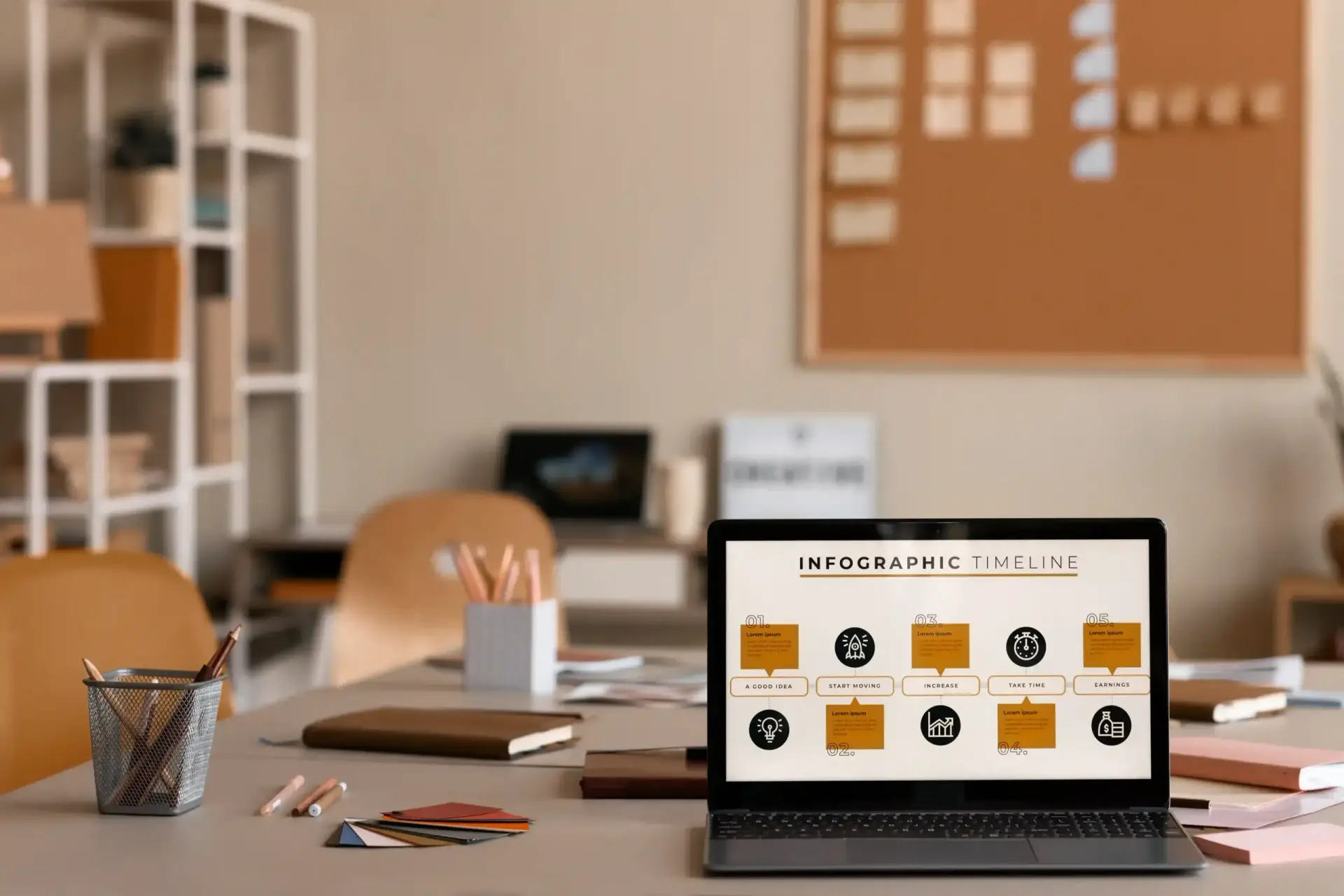
A website in Durham should include a home page, a page for each service, an about page, and a contact page with your number — plus proof you are real, like reviews, photos, and your Durham location. If a visitor cannot tell what you do, where you work, and how to contact you within seconds, the site is missing something.
If you run a small business in Durham — a cafe, a shop, a trade firm, a professional service, a guesthouse — here is what your website needs to include, what each part does, and what to leave out.
The pages every Durham business website needs
Most small business websites need the same handful of pages. Each one has a job to do.
- Home page. The front door. In the first few seconds it should say what you do, who you do it for, and where you work. A visitor who has to hunt for that information will leave. One clear headline, one clear next step — ring, book, or ask for a quote — and nothing competing with it.
- A page for each service. One page per service, not one long page listing everything. A visitor looking for one thing should land on a page about that thing, and Google works the same way: a page about one service ranks better than a page about five. Each service page should say what is included, who it is for, and how to get started.
- About page. People buy from people they trust. A short page about who you are, how long you have been doing this, and why you do it — with a real photo, not a stock image — does more for trust than any amount of sales copy. For a Durham business, this is also where your local roots belong: the areas you cover and the customers you serve.
- Contact page. Your phone number, an email address, a contact form, and your location. Not hidden in a footer — a proper page of its own. If you serve customers at their homes or on site, say which areas you cover. If customers come to you, give directions and opening hours.
What the home page must do in the first few seconds
Most visitors decide in seconds whether to stay or leave, so the home page has to work hard:
- Say what you do, plainly. No clever slogans that need decoding. “Plumber in Durham” beats a line about passion and excellence every time.
- Say where you work. Durham in the headline or the first paragraph, and the areas around it that you cover. That is how Google shows your business to people searching locally.
- Show one next step. Ring, book, or ask for a quote — pick the one that matters most and make it obvious. A page with five different buttons is a page with no clear next step.
- Look right on a phone. Most of your visitors will be on a phone, so check the home page on one. If the text is tiny, the number is hard to tap, or the images are slow to load, fix that before anything else.
Proof you are real
A small business website has to prove the business behind it is real. Visitors have been burned by faceless websites before, and they look for signs:
Reviews from real customers. A few genuine reviews, with names where you have permission, beat a page of claims about quality. If you have reviews on Google or elsewhere, show them on the site — do not leave them where nobody sees them.
Real photos. Photos of your work, your team, your premises, your products. Stock photos of smiling strangers tell a visitor nothing and make a small business look like every other website. Your own photos, even imperfect ones, are more convincing.
Your Durham location. Your address or the areas you cover, written plainly. It tells visitors you are a real local business, and it tells Google the same thing.
The details that win enquiries
Beyond the pages, a handful of details decide whether a visitor becomes an enquiry:
- Your phone number where people can see it. At the top of every page, tap-to-call on a phone. A visitor who has to search for your number will often give up.
- A contact form that is short. Name, contact details, message — that is enough. Every extra field you add loses enquiries.
- Opening hours. If customers visit you, state them. If you work by appointment, say so.
- Basic search setup. Sensible page titles, the right words on each page, a site Google can read. It is the difference between a site that sits there and one that brings in enquiries.
Our website design service builds sites around winning enquiries: a page for each service, clear calls to action, a contact form, your number where people can see it, and pages written so people searching in Durham find you.
What to leave out
A good website is as much about what you leave out as what you put in:
- Walls of text. Visitors scan; they do not read essays. Short paragraphs, clear headings, one idea per section.
- Stock photos that look nothing like your business. If the photo could belong to any business anywhere, it adds nothing.
- Pop-ups that appear before a visitor has read anything. They annoy people and send them away.
- Pages nobody needs. A page for every idea you once had makes the site harder to navigate. If a page does not help a visitor decide, cut it.
Before you spend anything on a new site, our free Visibility Audit shows where you rank on Google, whether AI tools like ChatGPT cite you, and whether you win AI answers — with what to fix first. Free, with no obligation.
Frequently asked questions
What should a small business website include?
A home page that says what you do and where you work, a page for each service, an about page, and a contact page with your number. Plus proof you are real — reviews, real photos, and your location. If a visitor cannot tell what you do, where you work, and how to contact you within seconds, something is missing.
Do I need a separate page for each service?
Yes. One page per service helps visitors find what they want without wading through everything else, and it helps Google too — a page about one service ranks better than a page about five. Each service page should say what is included, who it is for, and how to get started.
Should my Durham website mention Durham?
Yes. If you want customers in Durham to find you, say so clearly: Durham in page titles, service pages naming the areas you cover, and your location on the contact page. That is how Google shows your business to people searching locally.